








Cannabis terminology can appear complex when shoppers first begin exploring different varieties. The traditional Sativa vs Indica comparison offers a straightforward introduction to two widely recognized cannabis categories, helping readers understand broad differences in plant structure, growth habits, and traditional characteristics. Modern cannabis genetics are more diverse than these labels alone suggest, but the categories remain useful as a starting point for learning how varieties are commonly described.
Contents
- What Defines a Traditional Sativa Variety?
- What Characteristics Are Associated With Indica?
- Why Were These Categories Created?
- Do Sativa and Indica Have Different Flower Characteristics?
- How Does Aroma Fit Into the Comparison?
- What Role Do Cannabinoids Play?
- Where Do Hybrid Varieties Belong?
- Are These Categories Enough to Describe a Product?
- What Should Beginners Examine When Comparing Varieties?
- How Can Understanding Categories Improve Cannabis Knowledge?
- Conclusion
What Defines a Traditional Sativa Variety?
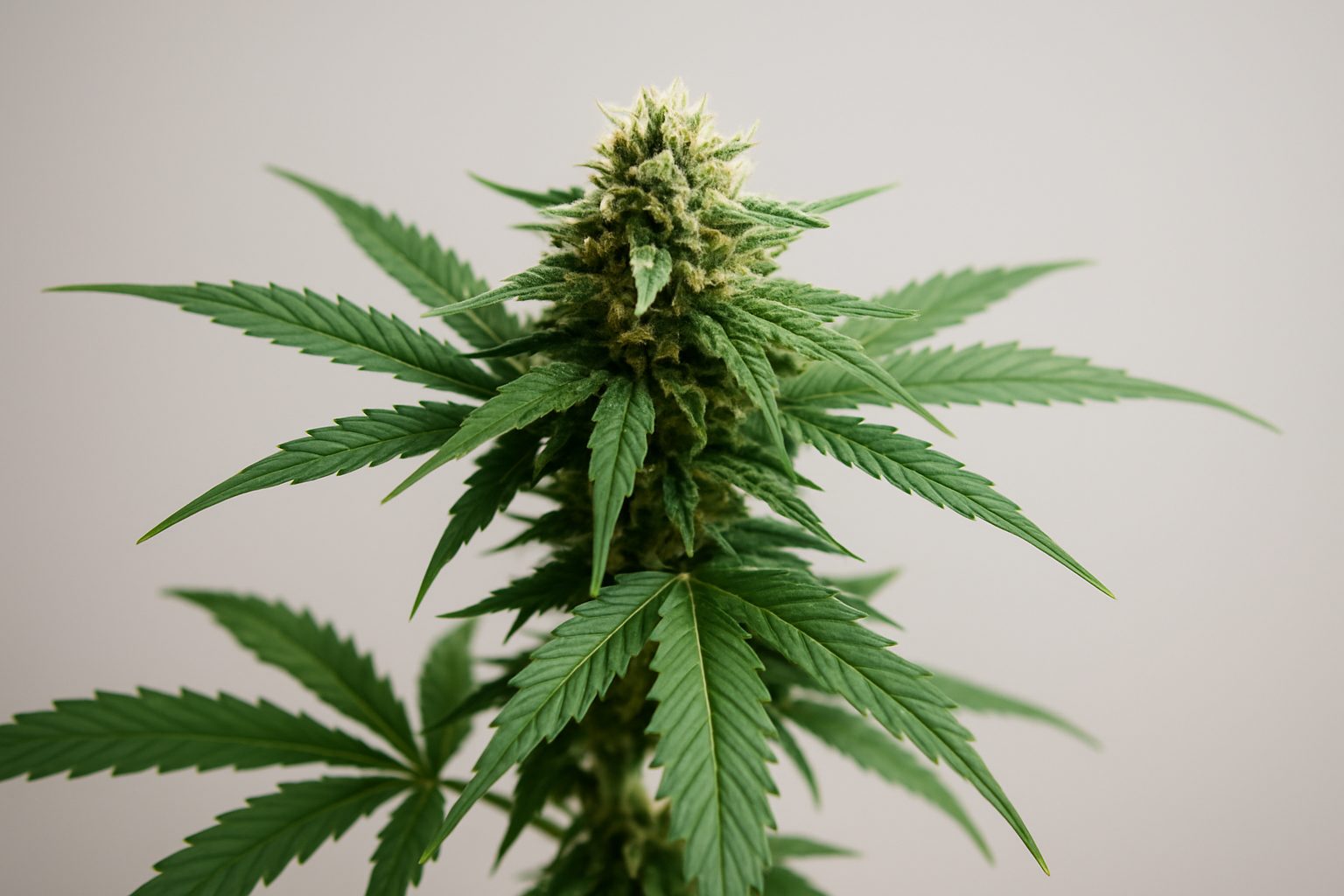
Sativa is traditionally associated with cannabis plants that develop taller, more open structures. These plants generally have narrower leaves, longer branches, and greater vertical growth.
From a cultivation perspective, these characteristics can influence the amount of space a plant requires. Traditional sativa genetics are also commonly associated with longer flowering periods, giving them a distinctive place within cannabis cultivation.
What Characteristics Are Associated With Indica?
Indica is traditionally linked with shorter and more compact cannabis plants. Their leaves are generally broader, while the overall structure tends to be denser than traditional sativa varieties.
The compact growth pattern can be useful in controlled cultivation environments. Indica-associated genetics have also historically been recognized for comparatively shorter flowering cycles.
Why Were These Categories Created?
The traditional classifications developed from botanical observations of cannabis plants with different physical characteristics and geographic origins. Over time, these terms became widely used in cultivation and consumer-facing cannabis terminology.
Today, they continue to provide a familiar vocabulary for discussing broad plant traits, even though modern breeding has created extensive overlap between traditional categories.
Do Sativa and Indica Have Different Flower Characteristics?
They can. Traditional genetic backgrounds may influence flower structure, density, shape, and development.
Indica-associated genetics are often connected with compact, dense flower structures, while sativa-associated genetics may produce more elongated forms. However, environmental conditions, cultivation techniques, and hybrid genetics can significantly influence the final appearance.
How Does Aroma Fit Into the Comparison?
Aroma is primarily influenced by the terpene profile of an individual cannabis variety. Terpenes are naturally occurring aromatic compounds that contribute to scents and flavors ranging from citrus and fruit to earth, pine, spice, and floral notes.
Because terpene composition varies from cultivar to cultivar, aroma should not be predicted solely from whether a product is described as indica or sativa.
What Role Do Cannabinoids Play?
Cannabinoids provide another important layer of information. THC and CBD are among the most widely recognized cannabinoids, and their concentrations can differ substantially among cannabis products.
A product’s cannabinoid profile can therefore offer measurable information that complements its traditional classification. Reviewing these details can help create a more complete understanding of an individual variety.
Where Do Hybrid Varieties Belong?
Hybrids represent the blending of genetics from different cannabis lineages. They can express characteristics traditionally associated with sativa, indica, or both.
The growing presence of hybrid varieties illustrates how modern cannabis genetics have expanded beyond a simple two-category structure. Shoppers can encounter hybrids with diverse combinations of plant structure, aroma, flavor, cannabinoids, and terpenes.
Are These Categories Enough to Describe a Product?
The categories provide useful context, but they do not describe every feature of a cannabis product. Genetics, cultivation methods, curing, cannabinoid levels, terpene composition, and product format can all contribute to its individual characteristics.
For this reason, a broader product profile can provide more detail than a category label alone.
What Should Beginners Examine When Comparing Varieties?
Beginners can start by reviewing the traditional category and then look at the cultivar name, cannabinoid content, terpene information, aroma, flavor, flower appearance, and available product details.
This approach makes it easier to recognize meaningful differences between varieties. It also encourages shoppers to explore cannabis based on specific characteristics rather than relying on a single descriptive term.
How Can Understanding Categories Improve Cannabis Knowledge?
Learning the basic distinctions creates a foundation for understanding more advanced cannabis terminology. Once shoppers recognize traditional plant characteristics, they can explore topics such as hybrid genetics, terpene profiles, cannabinoid ratios, cultivation methods, and flower quality.
This gradual approach can make cannabis product descriptions easier to interpret and helps place individual varieties within the broader cannabis landscape.
Conclusion
The traditional sativa and indica classifications provide a useful introduction to cannabis categories, particularly when discussing differences in plant structure, growth patterns, and cultivation characteristics. Sativa is generally associated with taller plants and narrower leaves, while indica is traditionally linked with shorter, compact growth and broader foliage. Modern hybrid genetics have created considerable diversity between and beyond these categories. By combining traditional terminology with information about cannabinoids, terpenes, genetics, and flower characteristics, readers can develop a clearer and more complete understanding of cannabis varieties.
Key Points
- Sativa cannabis plants are characterized by their taller, more open structures with narrower leaves and longer branches.
- Indica cannabis plants are typically shorter and more compact, featuring broader leaves and denser overall growth.
- Traditional classifications of cannabis were developed based on botanical observations of different physical characteristics and geographic origins.
- Hybrid cannabis varieties can exhibit characteristics of both sativa and indica, reflecting the diversity of modern cannabis genetics.
- Aroma in cannabis is influenced by its terpene profile, which can vary significantly among different cultivars regardless of their sativa or indica classification.
- Understanding both traditional categories and additional factors such as cannabinoid content and cultivation methods provides a more comprehensive knowledge of cannabis products.