








To make aloe vera oil, you first need to extract the gel from fresh aloe vera leaves. This potent oil is a versatile natural remedy with a multitude of benefits for skin and hair care. By following a simple process of infusing aloe vera gel with a carrier oil, you can create a nourishing and rejuvenating oil that can be a valuable addition to your skincare routine. Let’s delve into the easy steps to craft your own batch of aloe vera oil from the comfort of your home.

How to Make Aloe Vera Oil: A Step-by-Step Guide to Natural Skincare
Welcome to our comprehensive guide on creating your very own aloe vera oil! Aloe vera is a versatile plant known for its numerous skincare benefits. By making aloe vera oil at home, you can harness its powerful properties to improve your skin health and beauty regimen. Let’s dive into the world of DIY natural skincare and learn how to make aloe vera oil from scratch.
The Benefits of Aloe Vera for Your Skin
Before we jump into the process of making aloe vera oil, let’s explore why aloe vera is a superstar ingredient for skincare. Aloe vera is packed with vitamins, minerals, and antioxidants that help nourish and rejuvenate the skin. It is renowned for its soothing and hydrating properties, making it a popular choice for treating sunburns, acne, and other skin conditions.
Key Benefits of Aloe Vera for Skin:
- Moisturizes and hydrates the skin
- Calms irritation and reduces redness
- Helps to heal and repair skin damage
- Has anti-inflammatory and antibacterial properties
Gathering the Ingredients
Before you start making aloe vera oil, you will need to gather a few simple ingredients:
Ingredients:
- Fresh aloe vera leaves
- Carrier oil (such as coconut oil or olive oil)
- Clean glass jar
- Knife and cutting board
- Blender or food processor
- Cheesecloth or fine mesh strainer
Once you have all the ingredients ready, it’s time to begin the process of extracting aloe vera gel and infusing it into your chosen carrier oil.
Step-by-Step Guide to Making Aloe Vera Oil
Step 1: Harvesting Aloe Vera Gel
Start by selecting fresh and healthy aloe vera leaves from your plant. Using a sharp knife, carefully cut off a few outer leaves close to the base. Wash the leaves thoroughly to remove any dirt or debris.
Step 2: Extracting Aloe Vera Gel
Using a sharp knife, carefully slice off the spiky edges of the aloe vera leaf. Then, slice the leaf open lengthwise to reveal the clear gel inside. Scoop out the gel using a spoon and transfer it to a blender or food processor.
Step 3: Blending Aloe Vera Gel
Blend the aloe vera gel until it becomes smooth and consistent. This will ensure that the gel is well-incorporated into the oil later on. If the gel is too thick, you can add a small amount of water to aid in the blending process.
Step 4: Infusing Aloe Vera Gel into Carrier Oil
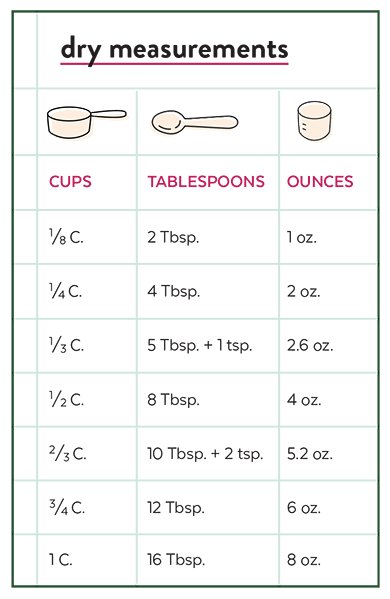
Transfer the blended aloe vera gel into a clean glass jar and add your chosen carrier oil. The ratio of aloe vera gel to carrier oil can vary depending on your preferences, but a common ratio is 1:3 (one part aloe vera gel to three parts carrier oil).
Step 5: Allowing the Infusion to Set
Seal the glass jar tightly and place it in a cool, dark place for at least 1-2 weeks. This will allow the aloe vera gel to infuse into the carrier oil, creating a potent aloe vera oil blend. Shake the jar gently every few days to mix the ingredients.
Step 6: Straining the Oil
After the infusion period is complete, strain the aloe vera oil using a cheesecloth or fine mesh strainer to remove any solid particles. Transfer the strained oil into a clean glass jar or bottle for storage.
Using Aloe Vera Oil in Your Skincare Routine
Congratulations! You have successfully made your own aloe vera oil. Now, it’s time to reap the benefits of this natural skincare elixir.
Aloe vera oil can be used in a variety of ways in your skincare routine:
- As a moisturizer: Apply a small amount of aloe vera oil to your face and body to hydrate and soften your skin.
- For sunburn relief: Aloe vera oil can soothe and heal sunburned skin, providing instant relief from discomfort.
- In DIY skincare recipes: Use aloe vera oil as a key ingredient in homemade lotions, creams, and serums for glowing skin.
Remember to do a patch test before using aloe vera oil to ensure that it is suitable for your skin type. If any irritation occurs, discontinue use immediately.
In Conclusion
Creating your own aloe vera oil is a fun and rewarding DIY project that can elevate your skincare routine to new heights. By harnessing the power of aloe vera, you can enjoy natural and effective skincare benefits without any harsh chemicals or additives.
We hope this guide has inspired you to explore the world of natural skincare and try your hand at making aloe vera oil. Your skin will thank you for the nourishing and healing properties of this amazing plant!
Stay tuned for more skincare tips, DIY recipes, and beauty guides on our blog. Happy crafting!
ALOE VERA OIL – longer, stronger and thicker hair growth
Frequently Asked Questions
What is aloe vera oil and what are its benefits?
Aloe vera oil is a natural oil extracted from the aloe vera plant. It is known for its moisturizing properties and is commonly used in skincare products to soothe and hydrate the skin. Aloe vera oil also has anti-inflammatory and antioxidant properties that can help promote healthy skin.
How can I make aloe vera oil at home?
To make aloe vera oil at home, start by cutting fresh aloe vera leaves and extracting the gel. Mix the gel with a carrier oil of your choice, such as coconut oil or olive oil, in a ratio of 1:3. Heat the mixture on low heat for a few hours, stirring occasionally. Once the aloe vera gel has infused with the oil, strain the mixture and store the oil in a glass container.
Can I use aloe vera oil for hair care?
Yes, aloe vera oil can be beneficial for hair care. It can help nourish the scalp, reduce dandruff, and promote healthy hair growth. You can massage a small amount of aloe vera oil into your scalp and hair, leave it on for a few hours or overnight, and then wash it out with a mild shampoo.
How should I store homemade aloe vera oil?
Homemade aloe vera oil should be stored in a cool, dry place away from direct sunlight. It is advisable to use dark-colored glass containers to prevent light exposure, which can degrade the oil. Proper storage can help maintain the freshness and quality of the aloe vera oil for a longer period.
Can aloe vera oil be used on sensitive skin?
Aloe vera oil is generally considered safe for most skin types, including sensitive skin. However, it is always recommended to do a patch test before applying it to a larger area to check for any allergic reactions. If you have sensitive skin, it may be advisable to dilute the aloe vera oil with a carrier oil to prevent any potential irritation.
Final Thoughts
In conclusion, making aloe vera oil is a simple process that requires patience and attention to detail. By carefully extracting the gel from the aloe vera leaves and combining it with a carrier oil of your choice, you can create a versatile and beneficial oil for various skin and hair care purposes. Remember to store the aloe vera oil in a cool, dark place to preserve its potency. Enjoy the natural benefits of aloe vera by incorporating your homemade oil into your beauty routine.